Published on: June 2, 2025 at 5:49 pm
By Nick Keppler
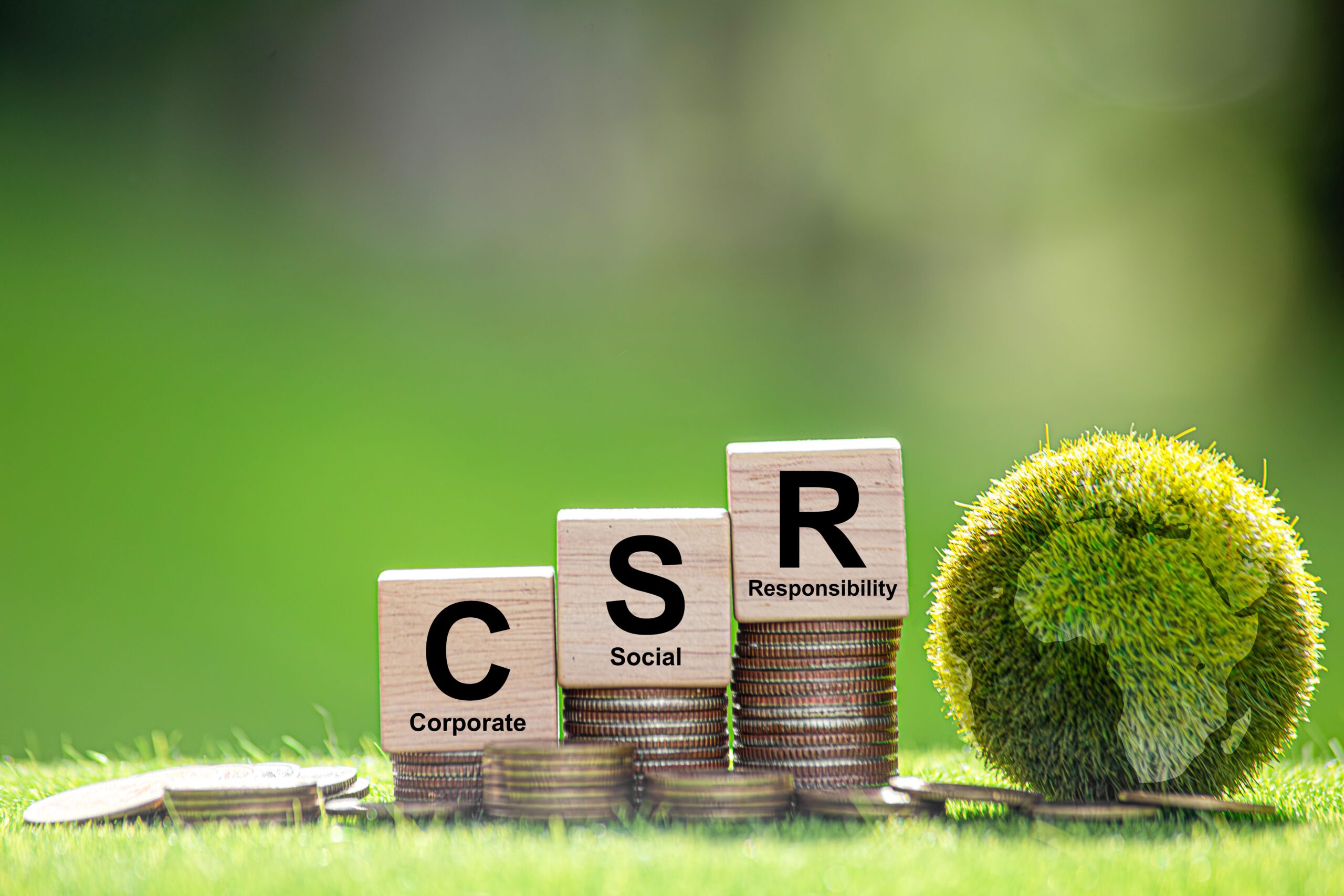
Any act of corporate wrongdoing—real or perceived—can be publicized worldwide instantly via the internet and social media. This has made ideas of sustainability and corporate social responsibility (CSR)—which includes organizations’ initiatives geared toward achieving environmental, ethical, philanthropic, and financial objectives—increasingly important and far-ranging, said Academy of Management Scholar Herman Aguinis of the George Washington School of Business.
“Because of information flow across the internet, now we know about sweatshops, we know about companies polluting the environment, and we know about companies that are abusing and taking advantage of farmers and not providing benefits,” he said.
Not coincidentally, measurements of CSR initiatives that make a positive societal impact have grown not just to consider the company’s adherence to laws and regulations but also its impact on globalization, technological developments, fair trade, workers’ rights, pay equity, pollution, habitat destruction, and climate change.
“The expectations have changed mostly because of pressure from the outside,” Aguinis said.
To manage an increasingly complex set of considerations related to CSR and sustainability, many companies have emphasized the three Ps, Aguinis said: people, the planet, and profit.
The “people” aspect does not only encompass employees and shareholders but also a wide span of stakeholders, including “the communities you serve, your customers, the communities around your business locations,” he said.
For example, Intel, a computer components manufacturer, holds town-hall meetings before finalizing plans to open new chip plants.
Small steps like these make operating the business easier and bolster its reputation, Aguinis said.
“The argument is that you can do good and do well at the same time, that those things go hand in hand, is replacing an older cynical argument that some economists have proposed, which is that your priority and loyalty group and number-one stakeholder is your shareholders,” he said. “‘You should just be making money for them, and anything else that you do that goes outside of that is not your mandate, not your responsibility.’”
That thinking—exemplified by American economist Milton Friedman—will not help companies stand up to increasing social pressure and could hurt their reputation, Aguinis said.
“The CSR movement has changed because customers, consumers, vendors, and partners want companies to do more to impact society positively.”